Welcome
Visit Us
Admission
$8 Ages 18-64
$6 Ages 6-17 & 65+
Free 5 and Under
Hours
Mon - Sat: 10 AM - 5 PM
Sun: 12 PM - 5PM
Closed: Thanksgiving Day, December 25, & January 1
Guided Tours
$10.00 per person
Advance reservations (min. 14 days) required
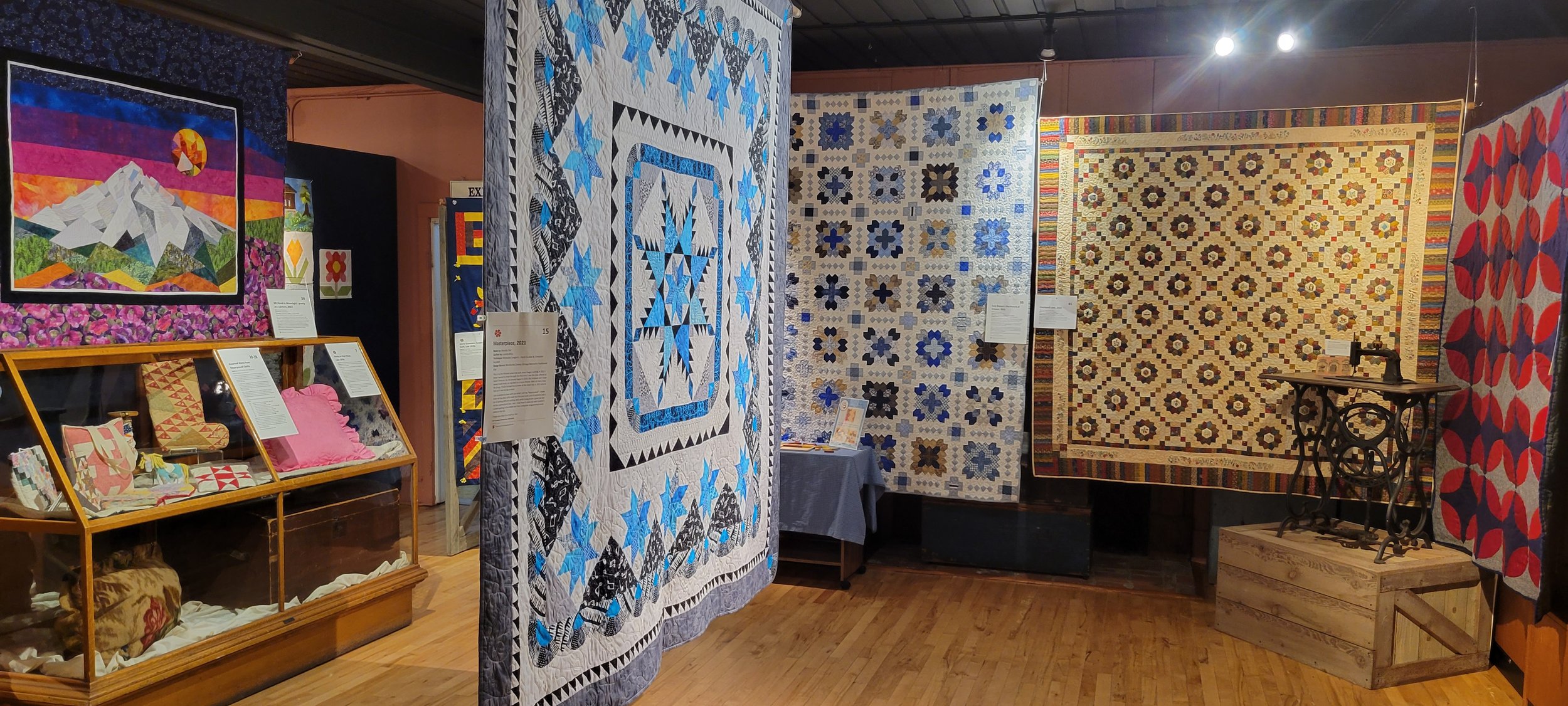
Why did a community of nearly 600 people cross the Oregon Trail to build a utopian society in the Pacific Northwest? Learn about the Aurora Colonists, their leader, and their vision — and more than a quarter century of success as Oregon’s first communal society. Visit the Aurora Colony Museum, at the heart of Oregon’s first National Historic District and antiques capital.
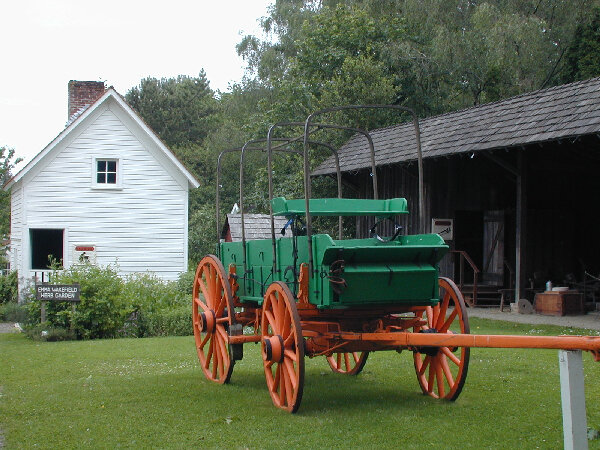
The Aurora Colony Museum offers changing exhibits exploring the history and legacy of the Aurora Colony. Self-guided tours offer peeks into historic Colony buildings including: the Colony's communal Ox Barn (1862); Steinbach Cabin (1876); Kraus House (1874) (home of Emma Wagner Giesy; Wash House (1877); and replica Tie Shed.
2026 Field Trip Bookings Are Live!
Reserve Your Class Visit Today!
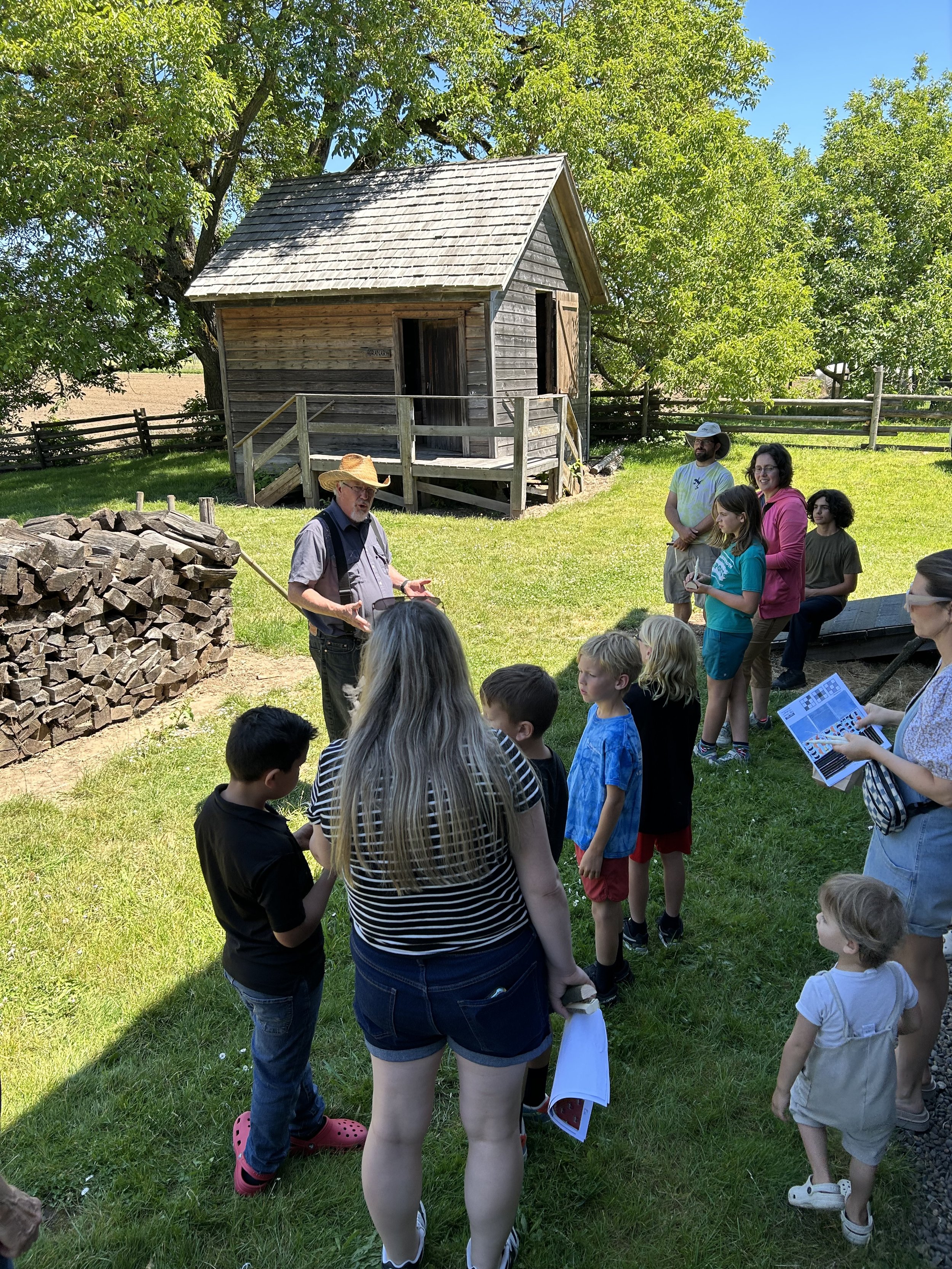
Bring your students to the historic Stauffer‑Will Farm for a hands-on journey into 19th-century farm life! At five immersive stations students create projects using authentic tools and processes from the past.
It’s three hours of active learning, built to spark curiosity about the past and connect directly to your fourth-grade curriculum.
Upcoming Events!
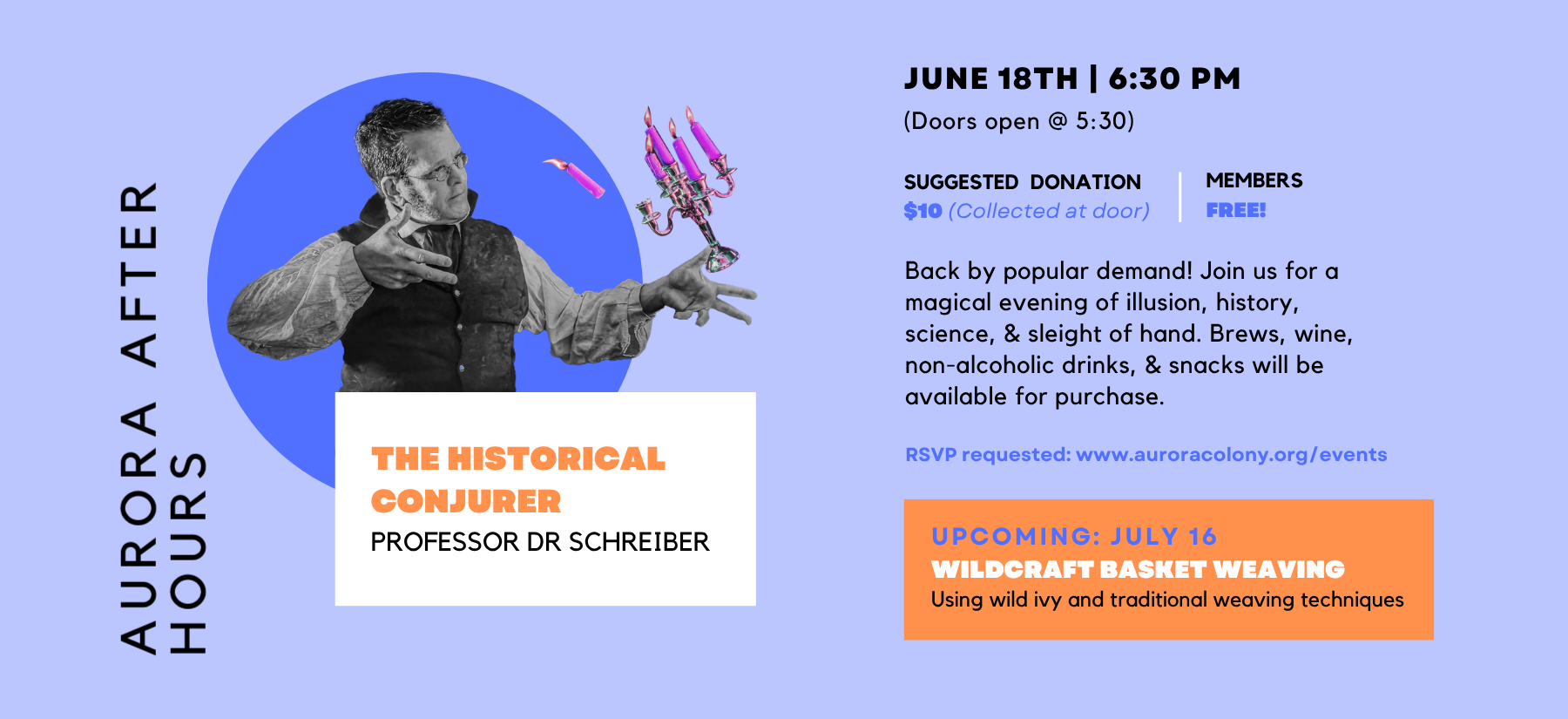
Party at the Farm 2026 / New Date: Sunday, August 30
Check back soon for event details.
Beyond the Exhibit: Dangerous & Deadly Fashion
New Content Just Added! Our exhibit continues at home and beyond with extra content. Listen to the Dangerous & Deadly Fashion podcast episode and check out videos on the deadliest paint and corset myths. Continue your exploration and visit our colleagues at the Benton County Museum with their exhibit Put a Bird On It! Finley, Feathers, & Fashion. Content will be added throughout the exhibit’s run (on display now through December 31, 2025).

Aurora Colony Museum Newsletter
Aurora Colony Historical Society Newsletter
In this issue:
(Click on the link to jump to a section and open a new window.)
Special Focus on Aurora’s Sister City, Bleicherode:
Sister Cities: Aurora & Bleicherode, What’s in a Name?, Honoring Aurora’s Founder in His Hometown, A Gift of Friendship in Fabric: Honoring a Quilting Legacy, Bleicherode Delegation Visiting Aurora, Save the Date: special opportunity for members and descendants, Researching Your German Roots, Join us in sprucing up the Colony!,
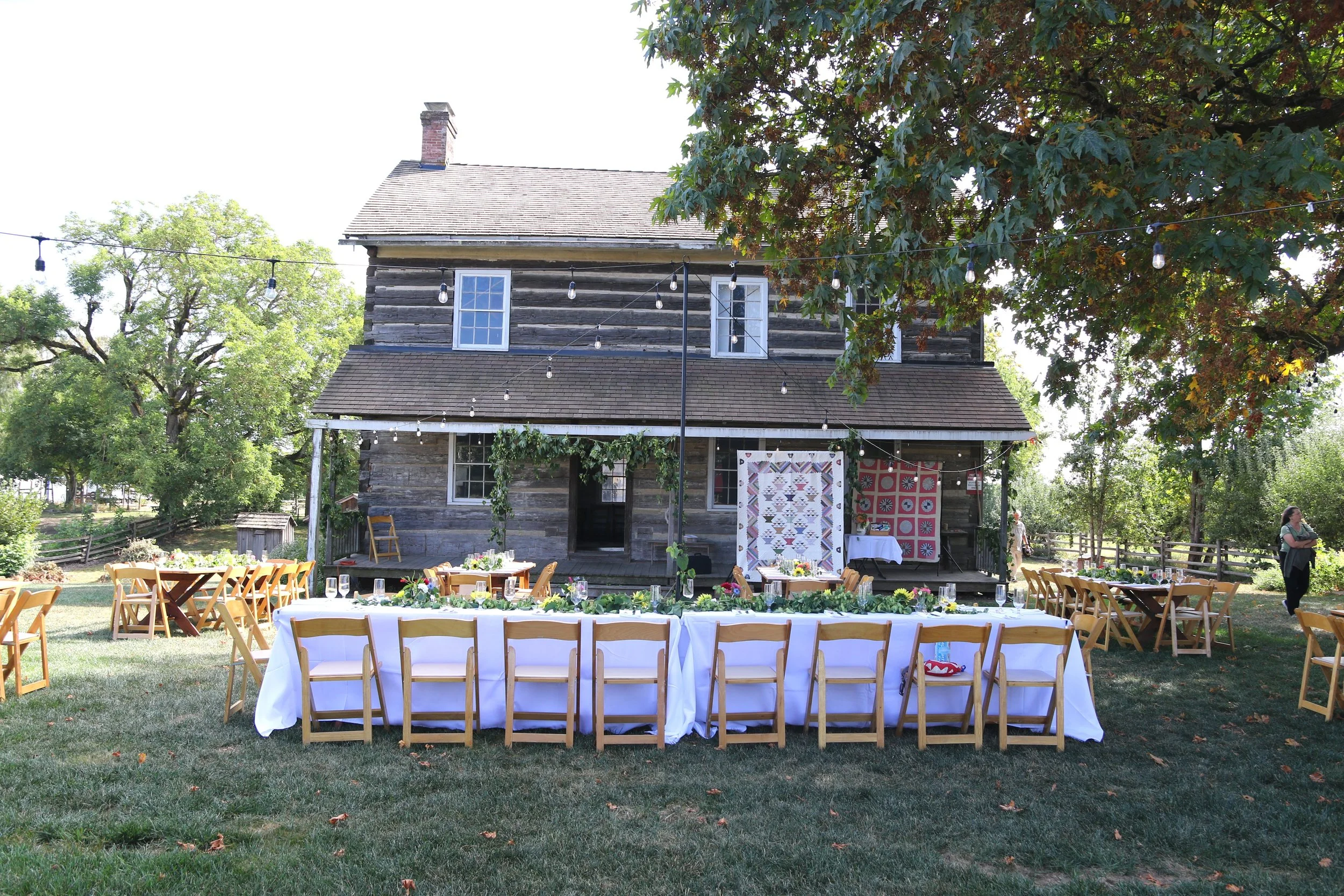
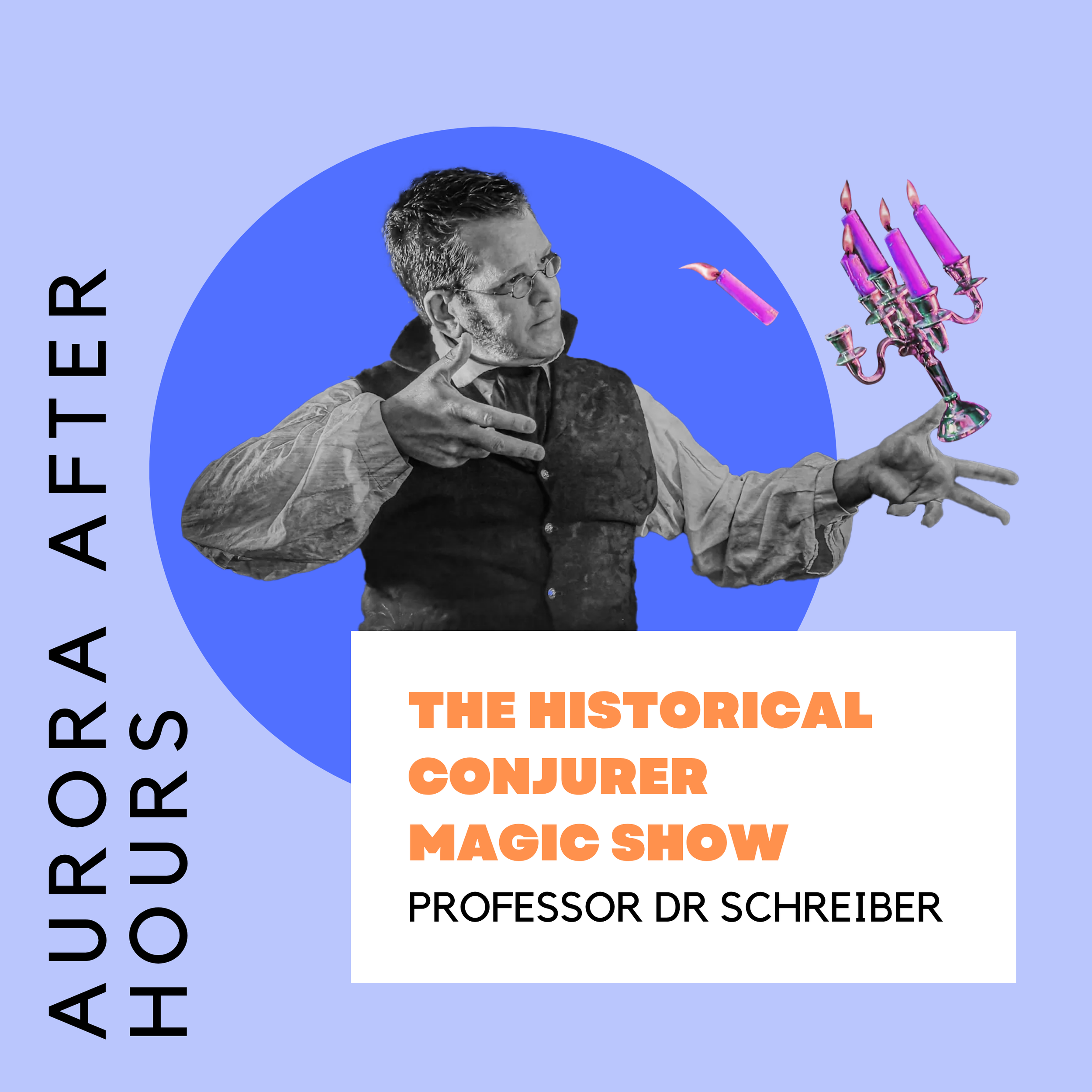
Coming Events: Emma Day returns June 11th featuring Jane Kirkpatrick’s new book. Join Aurora After Hours in the courtyard for special historic presentations. Experience Farm Days at the Stauffer-Will Farm with hands-on activities for all ages.
Help us Reconnect!: Please update your contact information and share your thoughts on what you would like to see in future newsletters.


Join a Volunteer Team!
We have a variety of volunteer positions available for all interests! Step back in time as a Stauffer-Will Farm Volunteer, create new exhibits, help renovate a 50 year old treasure, meet and greet guests at the Aurora Colony Museum, be a member of our events team and more.
Contact us at 503-678-5754 or info@auroracolony.org to learn more!
Current Events


Join us in Preserving History!

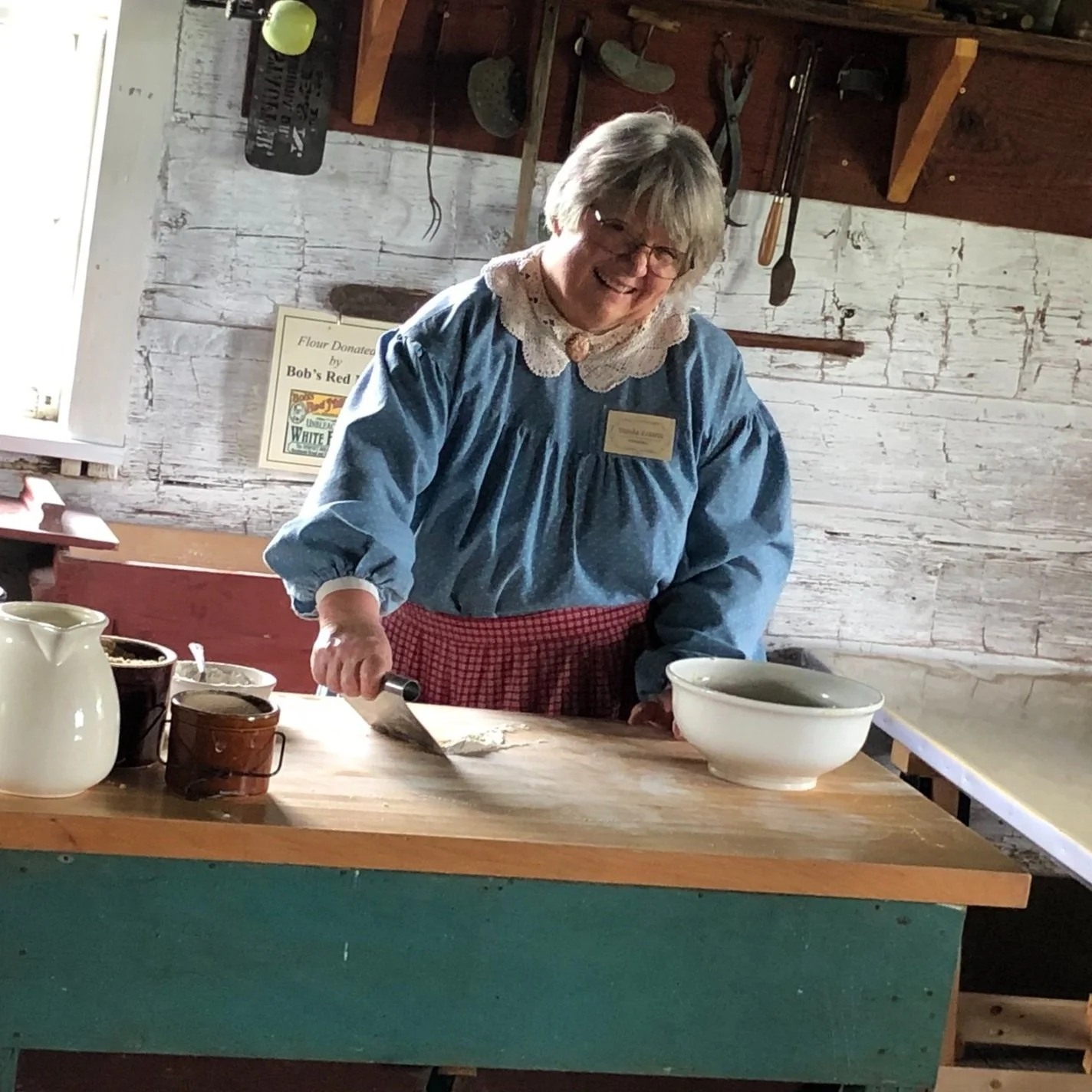

Mission: The Aurora Colony Museum brings the past to life through the history, crafts, and culture of the Aurora Colony and its role in Oregon’s early immigration story.